Project
The group's digital system, the design system, the proprietary CMS and the cloud infrastructure: three brands on a single platform for a leading professional audio group.
B&C Group: the digital platform of Made in Italy professional audio
- Client
- B&C Speakers group
- Area
- Development
- Year
- 2018 – present
- Main link
- Go to the website
B&C Speakers is one of the most recognised manufacturers of transducers for professional loudspeakers in the world. It has operated since 1946 from Bagno a Ripoli, is listed on the STAR segment of Borsa Italiana and is part of the B&C Group along with Eighteen Sound, Ciare and Eminence. The portfolio runs to thousands of models, distributed under its own brand and as OEM to the leading pro-audio brands in the world. Its drivers power stadiums, concert halls, clubs and high-profile installations across five continents.
For B&C, Dinamo built something wider than a website. A digital system, a design system, a proprietary CMS and cloud infrastructure, able to speak to the factory, to audio engineers, to investors and to distributors with the same consistency.
B&C Speakers has designed and produced transducers for professional loudspeakers since 1946. Its base is in Bagno a Ripoli, its market is global. The company is listed on the STAR segment of Borsa Italiana and leads the B&C Group, which brings together Eighteen Sound, Ciare and Eminence. Its audience is made of OEM engineers, pro-audio designers, distributors and investors. It is an audience that judges a digital channel by the precision of its data and the speed with which it can be reached.
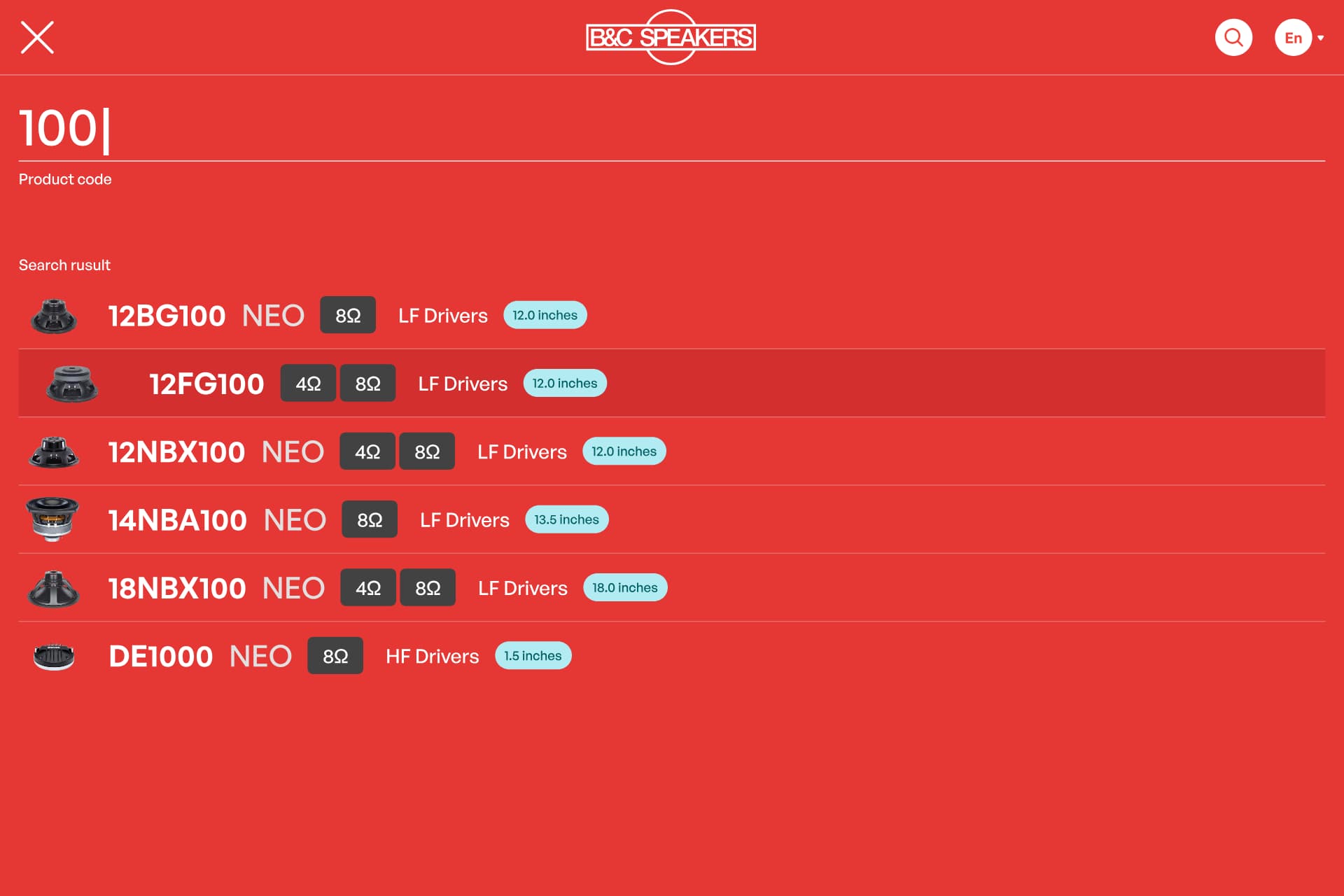
Taking an industrial brand of this scale online means resolving three tensions that speak different languages. The first is technical. Every driver carries a page dense with parameters, impedance, sensitivity, voice coil, diaphragm materials, frequency range, SPL curves, which the engineer has to consult, compare and download quickly.
The second is regulatory. As a listed company, B&C uses the site as its official investor relations channel, with disclosure obligations, announcements and financial documentation. To this is added a layering of ISO certifications, REACH, RoHS and PFAS environmental policies, and statements on gender equality and responsible raw materials. Living documents, to be updated and kept publicly accessible.
The third is narrative. Industrial Made in Italy needs a restrained identity, recognisable globally, able to speak to an engineer in Bangalore and an investor in Milan without changing voice.
The design: the product page as a digital product
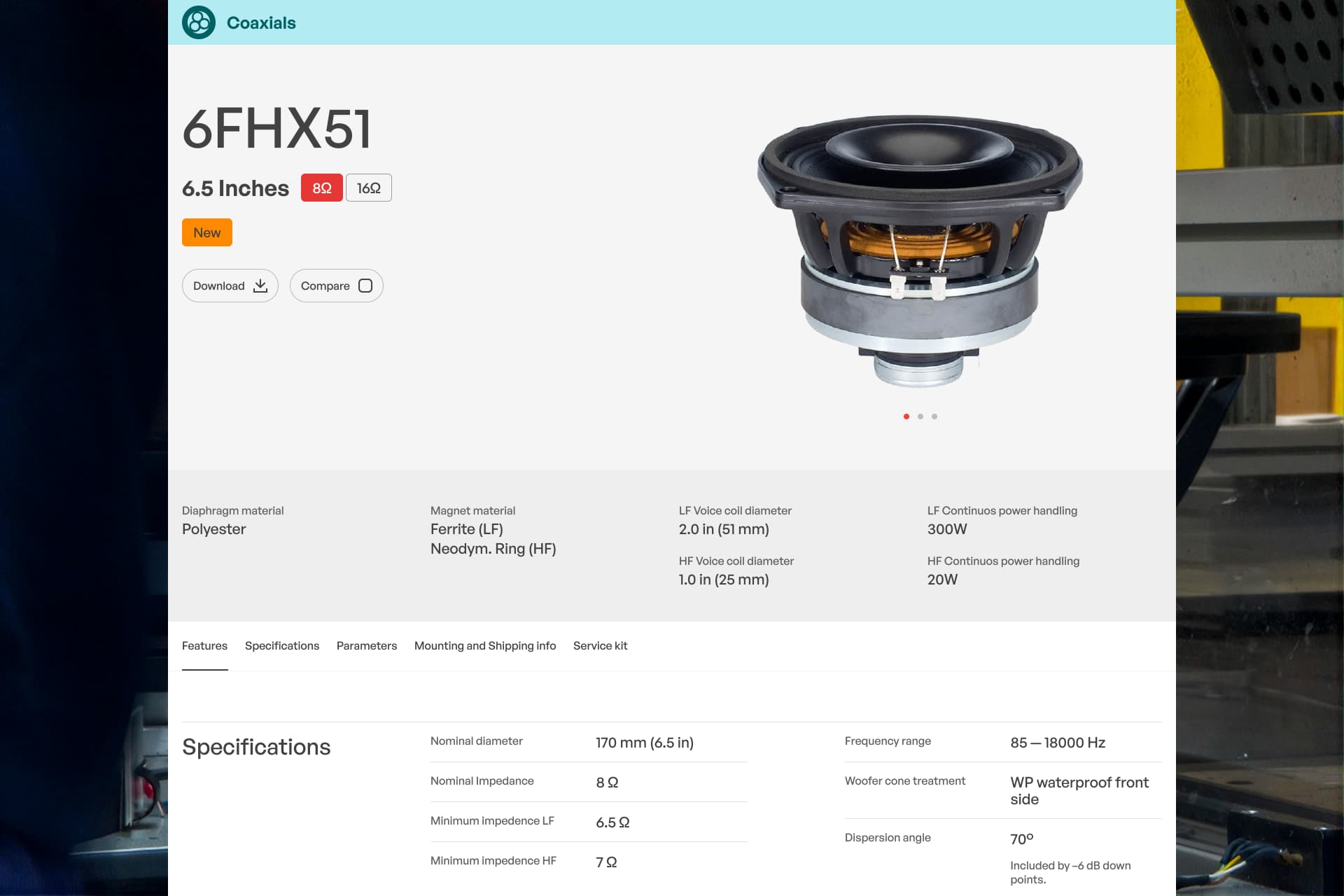
The manifesto of the project is the driver page. A page where product photography sits alongside a switcher between variants such as the 8Ω and 16Ω versions of the same model, feature bullets, an editorial block explaining the technology, specifications in label and value pairs, SPL and impedance charts, a CAD mounting drawing, shipping information and the code of the replacement service kit. The HLX series, to take one example, has a US patent and a story told beside the data.
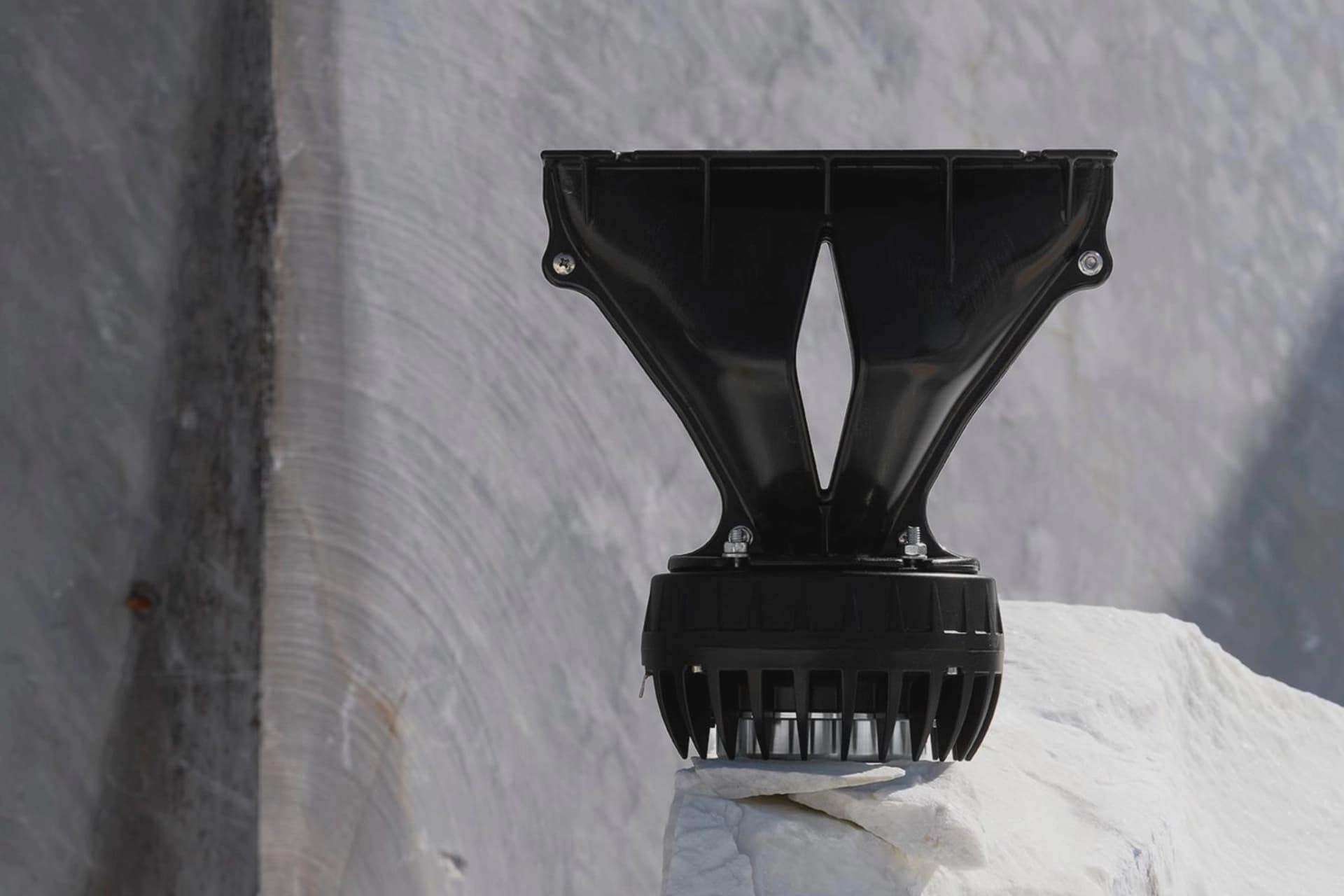
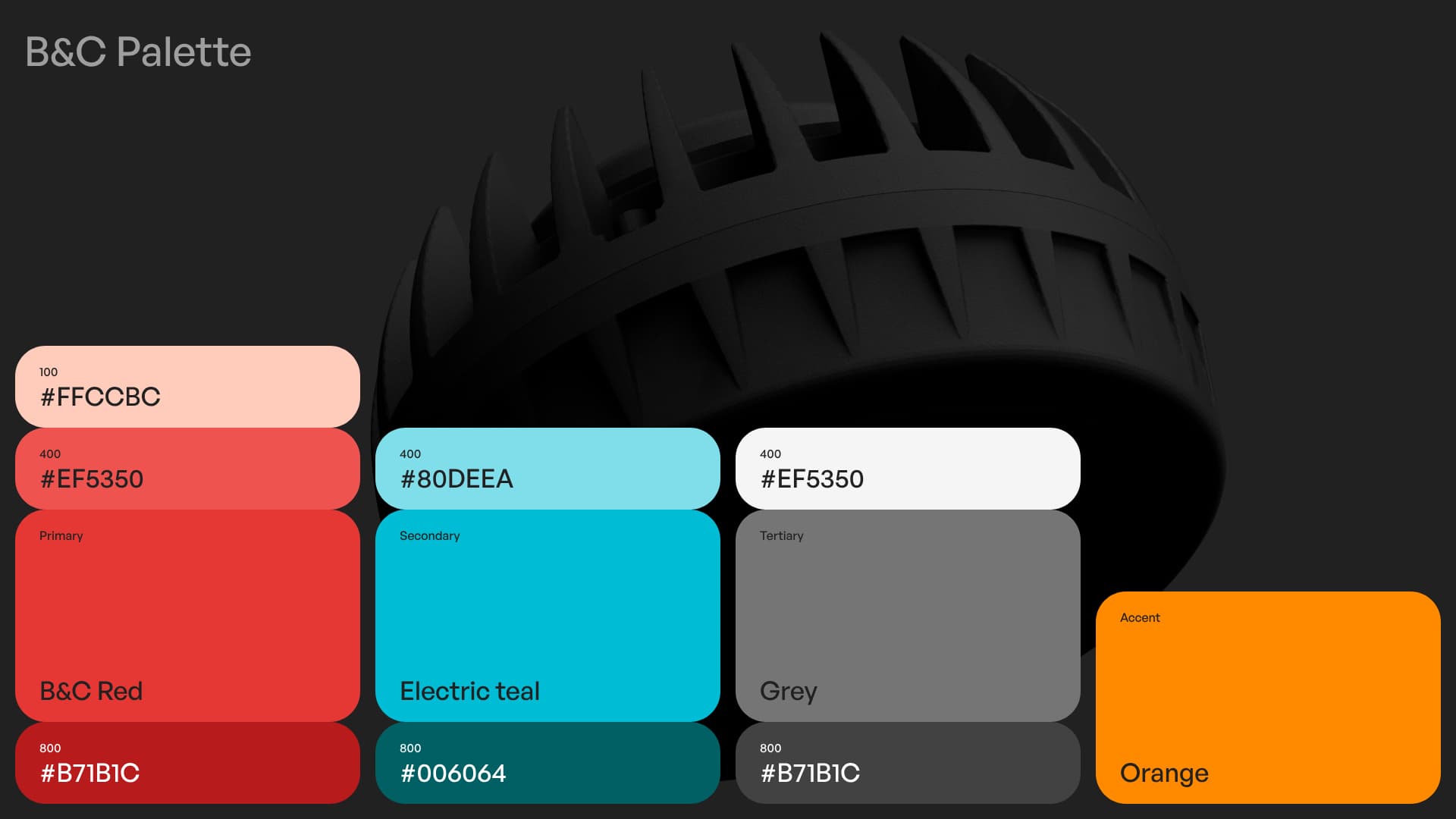
The visual hierarchy is the same across every page in the catalogue. The engineer moves between products with minimal cognitive load, because they already know where to look for the figure they need. The visual identity of the whole site follows the same line. Restrained typography on an almost monochrome palette, industrial photography that brings out the materials, aluminium, neodymium, technical plastics, without resorting to graphic effects. The brand speaks to engineers, and engineers trust rigour.
The development: a component-based CMS on Dinamo Cloud
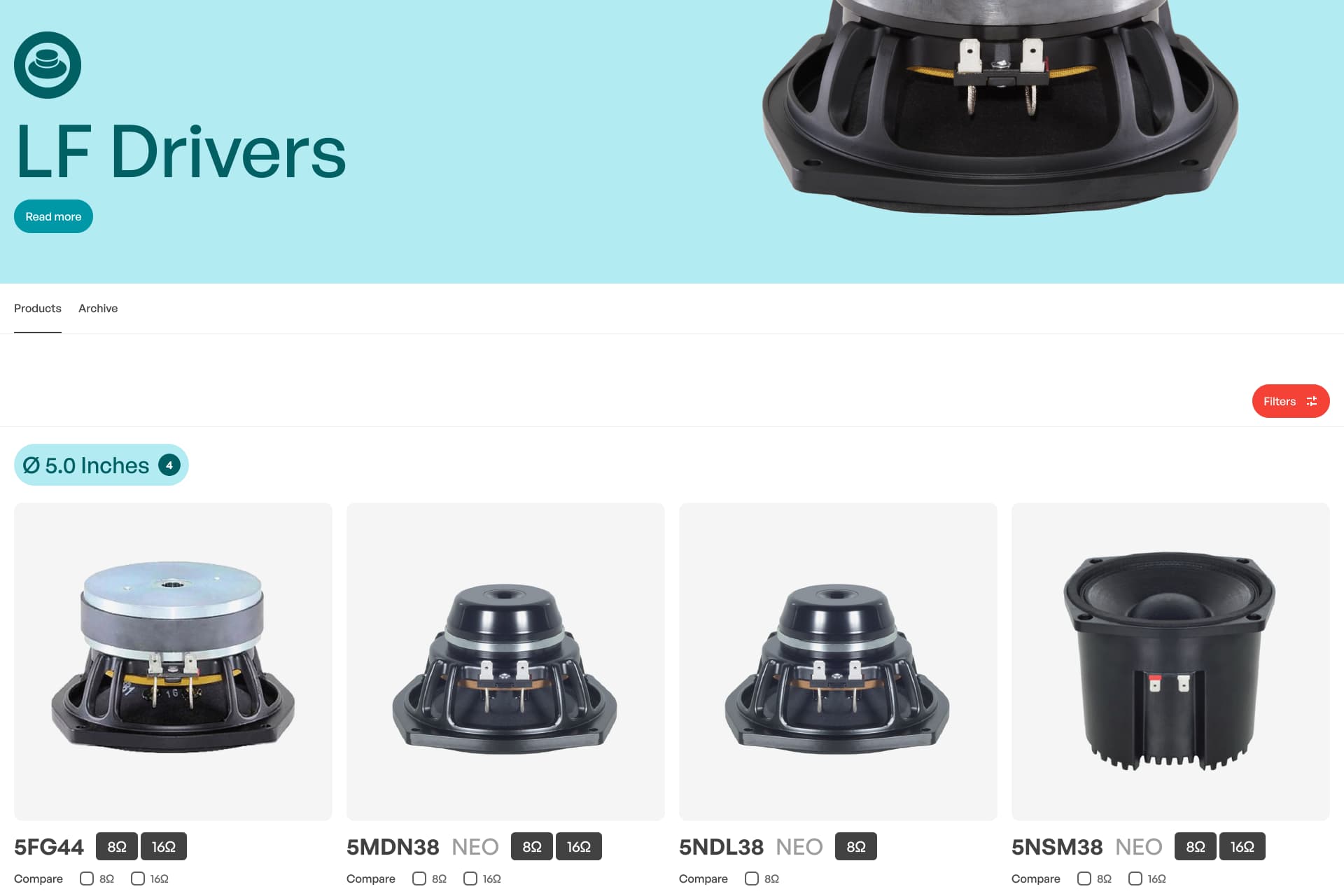
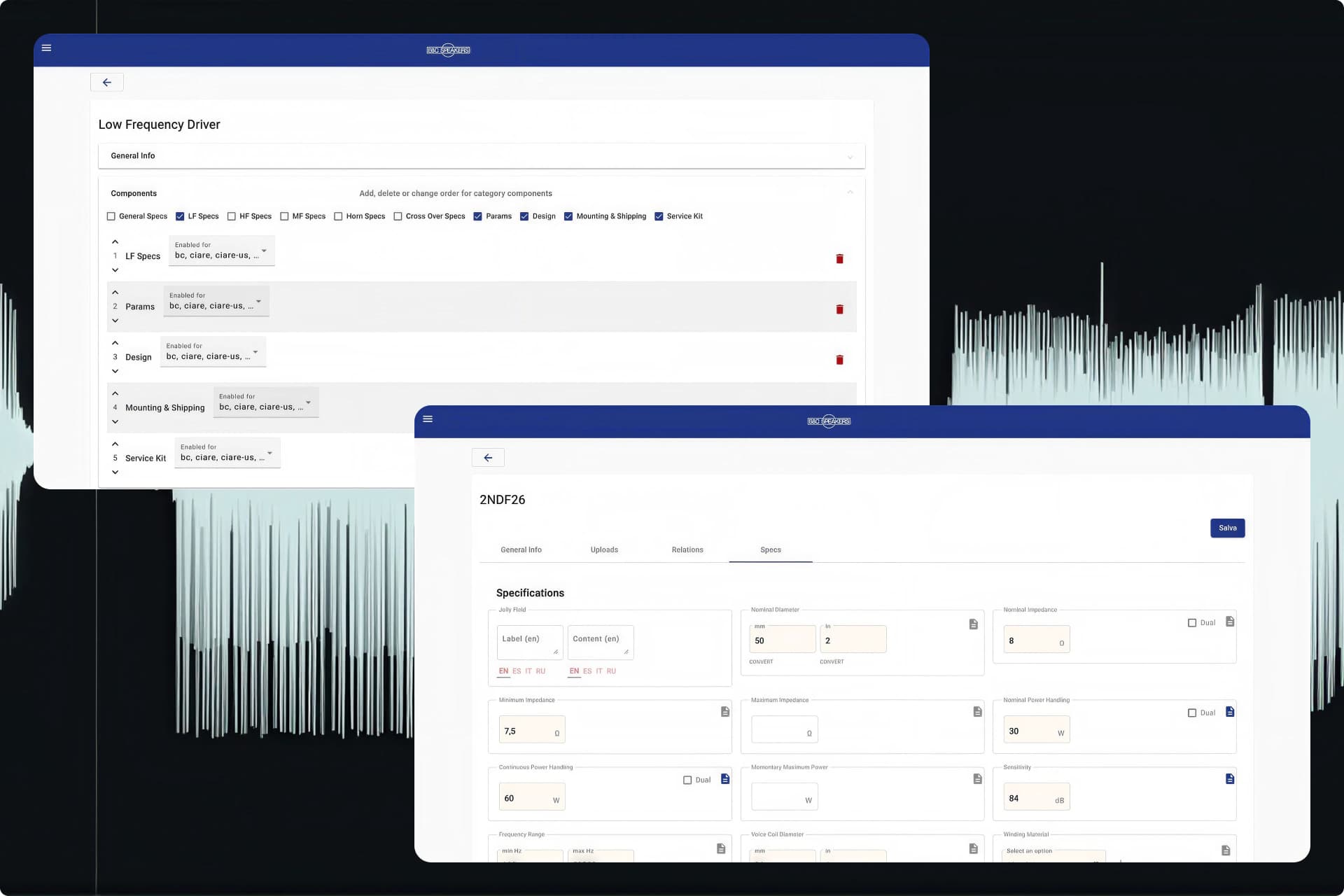
Under the bonnet sits a CMS structured around typed components. Every page is built by assembling instances of a finite set of blocks: text, gallery, documents, specifications, charts. Products are modelled as records with a configurable taxonomy, category, exit, impedance, model, rather than as static pages. On this basis come comparators, filters by technical parameter, automatic generation of product pages and export of comparison matrices in xls format.
The infrastructure is hosted on Dinamo Cloud, with frontend and backend separated on a Kubernetes ingress. The architecture makes it possible to release code updates without touching content, and to publish content without requiring a deploy. Multilingual support is handled at platform level, with English and Spanish as the languages B&C chose for the global market, and the ability to activate others left to configuration. All document management, datasheets, certifications, brochures, the annual catalogue, manuals and compliance statements, is governed by the same component pattern and can be uploaded by B&C's editorial team without development work.

The platform was designed not to live on a single brand. Today it supports three brands in the B&C Group, each with its own identity, taxonomy and audience. B&C Speakers speaks to OEM engineers, pro-audio designers and financial markets, in an industrial register and with a taxonomy by driver type, HF, LF, coaxial. Ciare, the group's historic Italian brand, runs across four segments, PRO, CAR, SPL, HOME, in a consumer register and three languages. Eighteen Sound is the group's pro-audio brand, born in Reggio Emilia, with transducers and professional loudspeakers for the installation and live market, an audience of designers and system integrators and a technical taxonomy by component type.
The same CMS and the same cloud infrastructure for all three, on a shared design system. The system carries brands with different audiences and different registers, from industrial OEM to consumer. For the B&C Group, every new brand taken online costs a fraction of what a site from scratch would have cost.